Repaving Without Improving
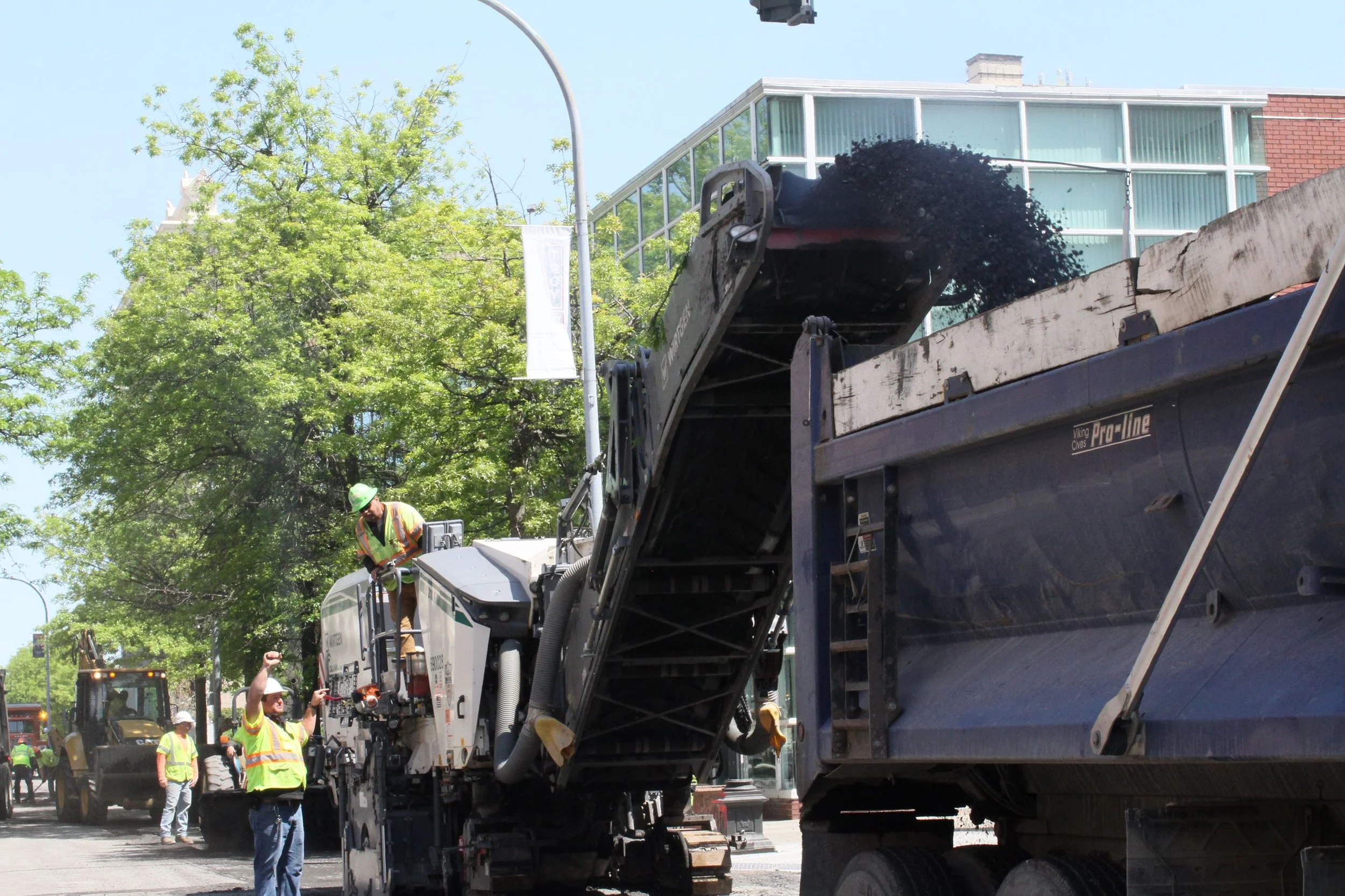
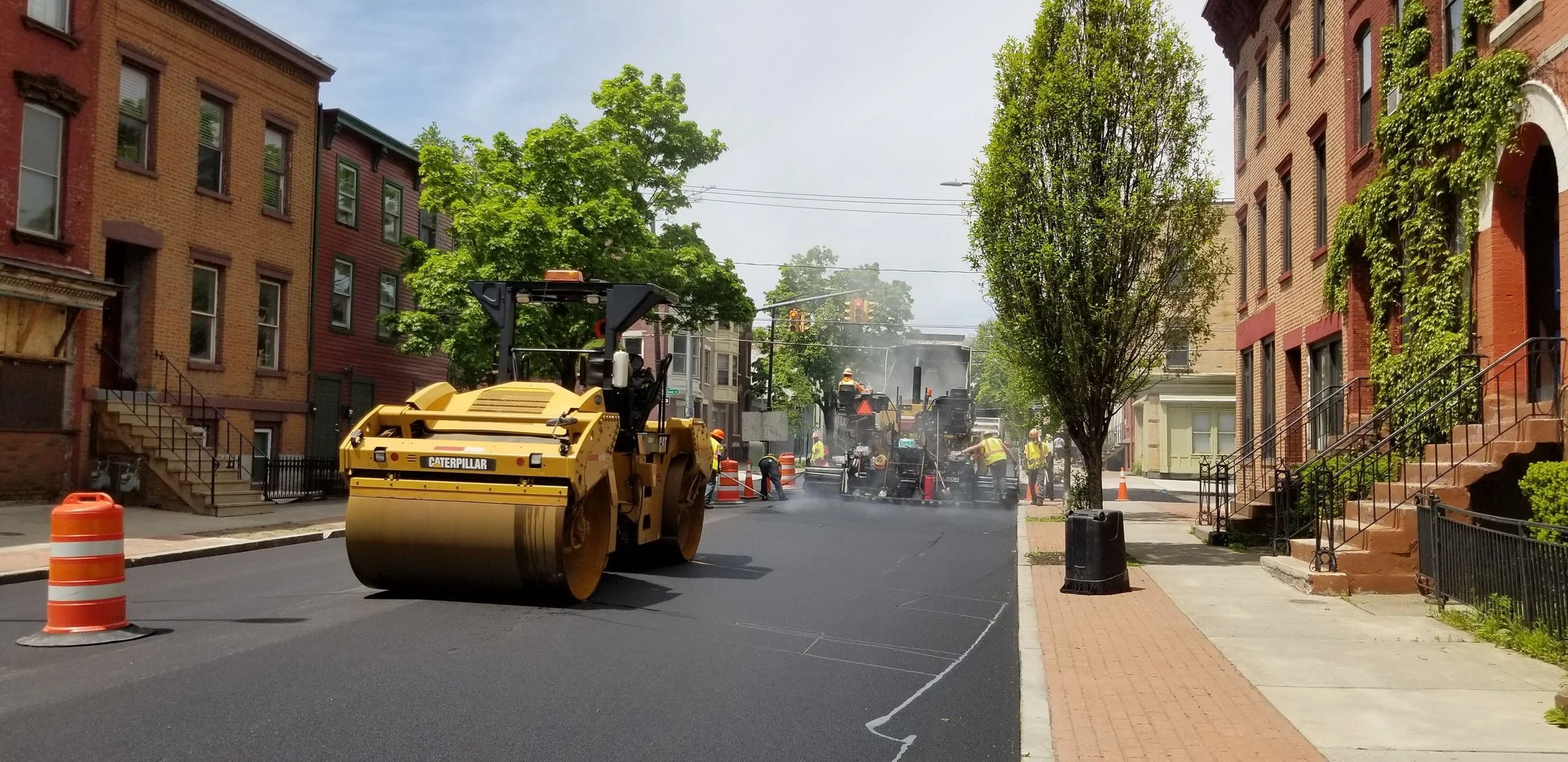
Every year, streets in our cities are being repaved.
But did you know the City of Albany and the City of Troy both have local ordinances that require them to make common-sense safety improvements when streets are being repaved?
-
Each year, Albany and Troy spend millions of dollars on roadway resurfacing. Both cities are required to make complete streets improvements while repaving (per their own local ordinances).
More often than not, Albany and Troy fail to implement simple cost-effective improvements, like updating striping plans. Sometimes streets aren’t re-striped at all, leaving communities without crosswalks for years even after repaving has been completed. -
Most transportation and streets issues boil down to three things:
A Lack of Political Will / Leadership
A Lack of Bandwidth
A Lack of Funding
Updating striping plans and additional lines on a street amount to the cost of a rounding error- which leaves us with political will and/or bandwidth.
-
After repaving, there’s an opportunity to update the striping, providing improvements like:
bike lanes
lane narrowing
crosswalks
parking adjustments
These are improvements that can be made affordably, just using paint after repaving. A repaved street is intended to last a long time, so it's essential to make these improvements at the right time, it could be another 10 or 20 years before there's another opportunity to make significant improvements to a street.
Adding a line or two to a street while it’s already being re-striped is an extremely affordable, cost-effective way to address issues like speeding and other traffic safety issues. -
Make Improvements While Repaving! - This is by far the most cost-effective way to improve traffic safety. Albany and Troy must take these opportunities to improve quality of life for residents, by adding bike lanes, shoulders, crosswalks, and more. Plus, it's required by their own ordinances.
Plan Ahead - Cities should think proactively about which streets need to be repaved and make a plan ahead of the paving season (yes, we're looking at you Troy).
Reference Existing Plans - Both communities have existing plans outlining where and how improvements should be made, these include the Albany's Bike and Pedestrian Master Plan and the Troy Bicycle Connections Plan, among others. These plans contain clear direction on what improvements should look like.
Design Improvements - City officials and their contractors can lean on resources like Capital Region Transportation Council’s Complete Streets Design Guide, NACTO's Urban Street Design Guide, and us here at Capital Streets!
Have you witnessed firsthand repaving without improving in your community?
Tell us about your own experience with a missed repaving opportunity. It’s vital that we bring testimonials to local government officials in order to spur action.
Policy & Plans
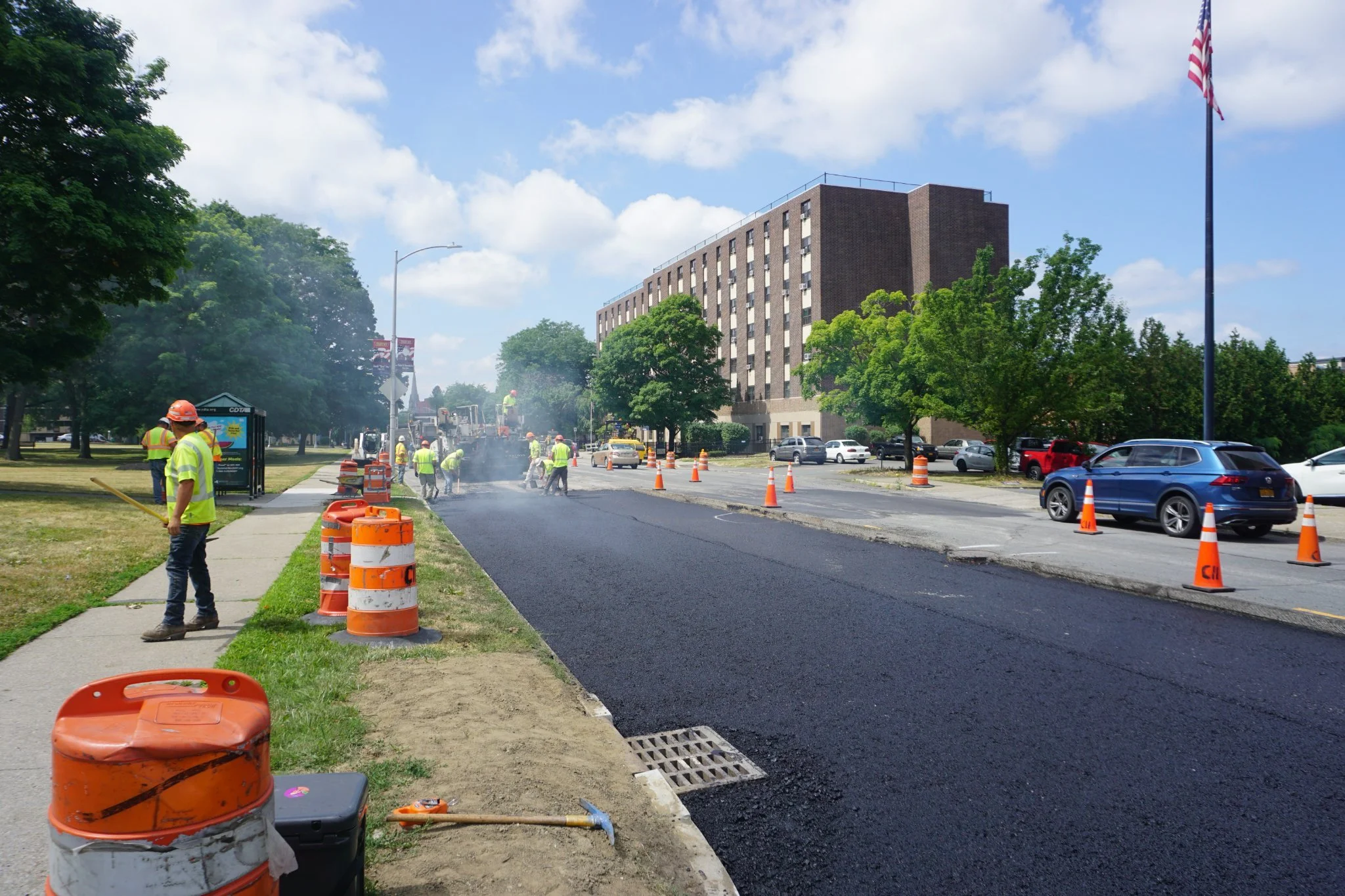
Both Albany and Troy have complete streets ordinances, requiring improvements to street infrastructure for vulnerable road users, including people walking and biking, when repaving. In addition, both communities have plans that clearly lay out where and what improvements would benefit community members. There's also very clear guidance from the Capital Region Transportation Council on how to design complete streets infrastructure and the Vision Zero Safety Action Plan outlining safety issues on our region's roadways.
Albany
Troy
Past Failures
Have you observed repaving without improving in your neighborhood?
Help us build a tangible case that the Cities of Albany and Troy are not in compliance with their own ordinances and build momentum to take action.
What People Are Saying (Albany)
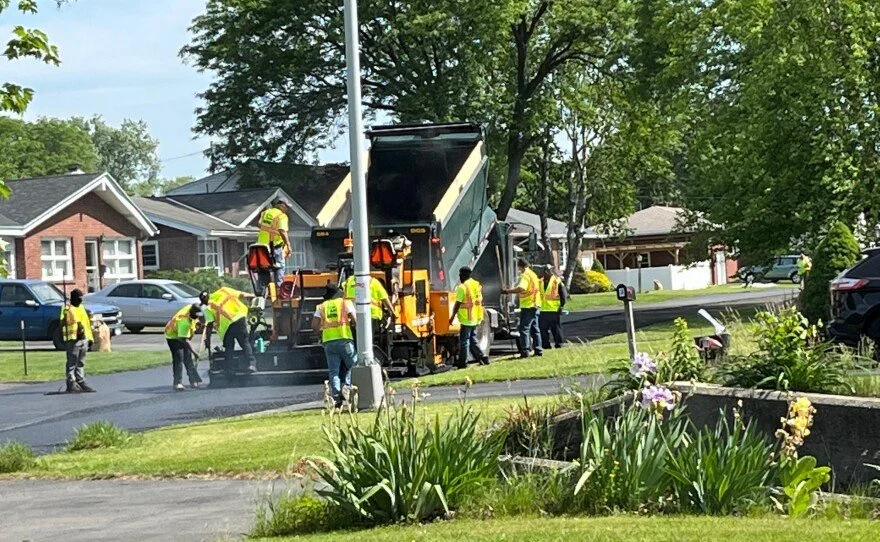
“Residents had requested speed humps, sidewalks, and other traffic calming measures on Forest Avenue near Hackett Blvd because of heavy traffic and pedestrian use near Albany Academy. The City resurfaced Forest Ave in 2021 without adding any traffic calming measures or sidewalks as recommended by the City’s Complete Streets Design Manual. Residents have been told they need to wait until the street is resurfaced again to have infrastructure added to the roadway.”
- Heather B., Albany Resident
"The city repaved Main Ave. The city’s bike/ped plan has the street designated as getting a protected bike lane but that didn’t happen with this project so probably won’t happen for at least a decade now."
- Nicole M., Albany Resident